

Credit: Dr. Vishtasb Broumand, DMD, MD Vishtasb Broumand
This case report is presented for educational purposes to illustrate the complexities, challenges, and lessons learned in the management of severe maxillofacial trauma resulting from gunshot injury. It emphasizes the importance of multidisciplinary planning, accurate occlusion restoration, and realistic outcome expectations in catastrophic facial trauma.
Case Overview
Patient: 30-year-old female
Timeline: 1 year post-injury at the time of presentation
Initial Injury: Gunshot wound to the oral cavity and face with extensive tissue destruction
Initial Management:
Multiple providers were involved; primary plastic and oral/maxillofacial surgical teams attempted reconstruction with limited success
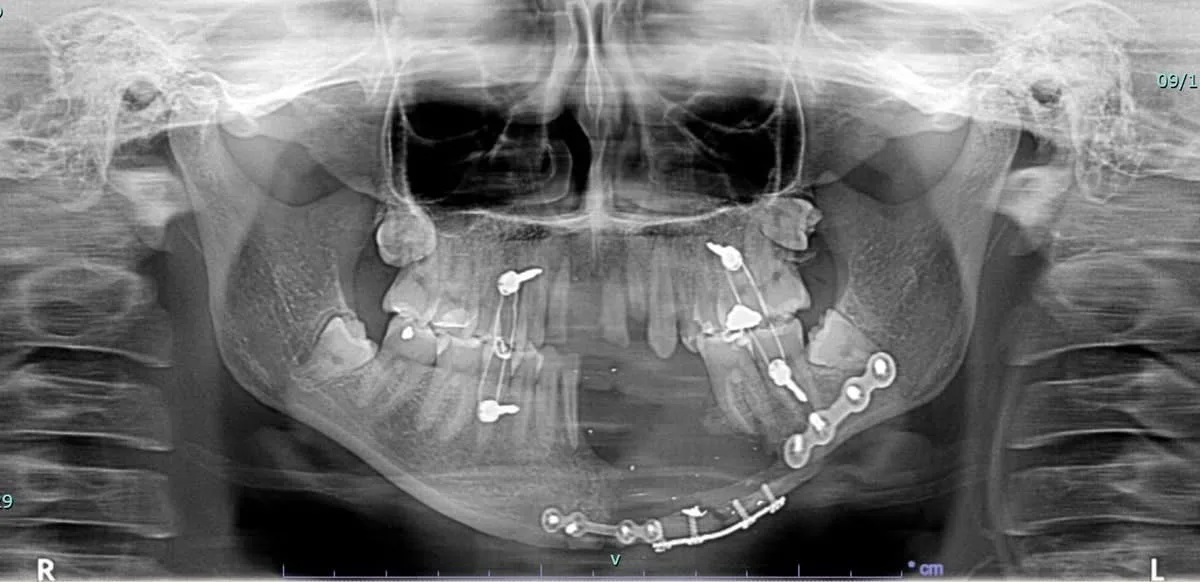
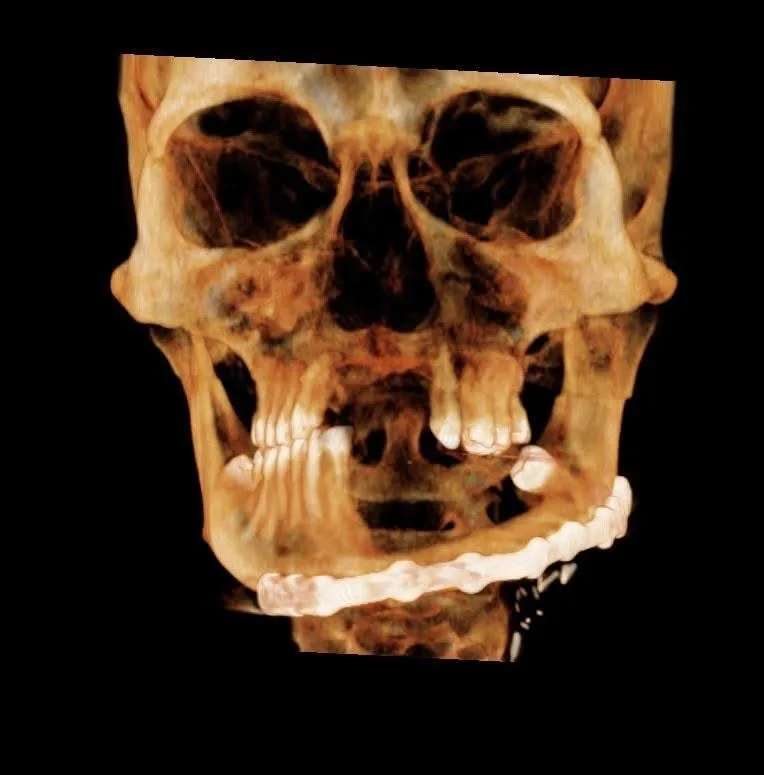
Temporary mandible plate placed on the inferior border
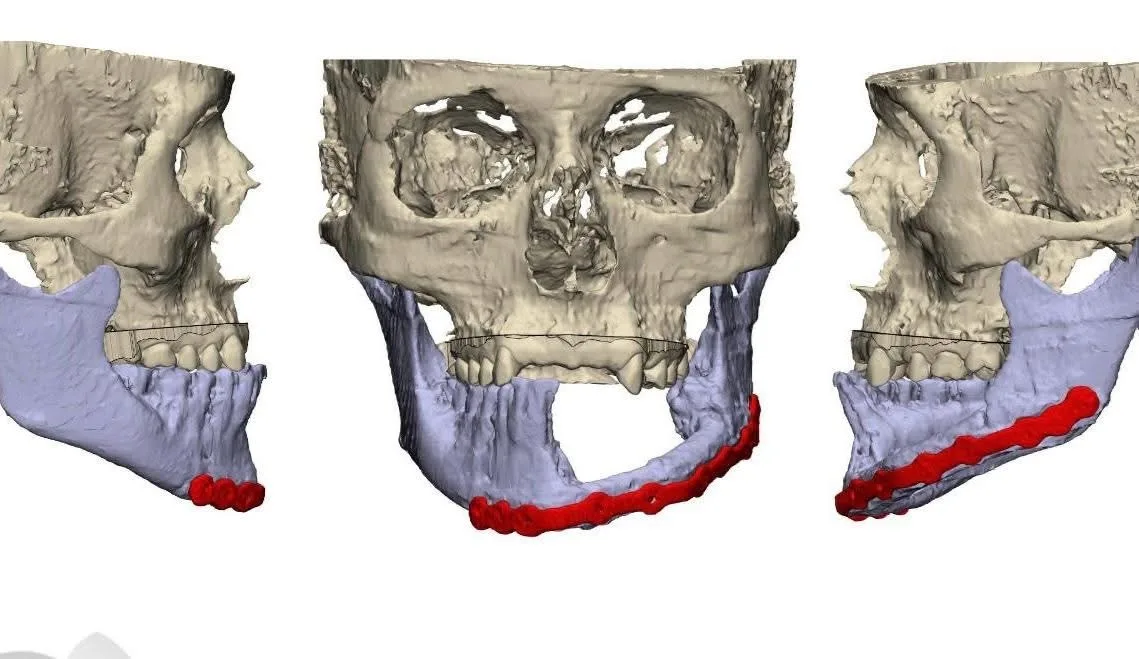
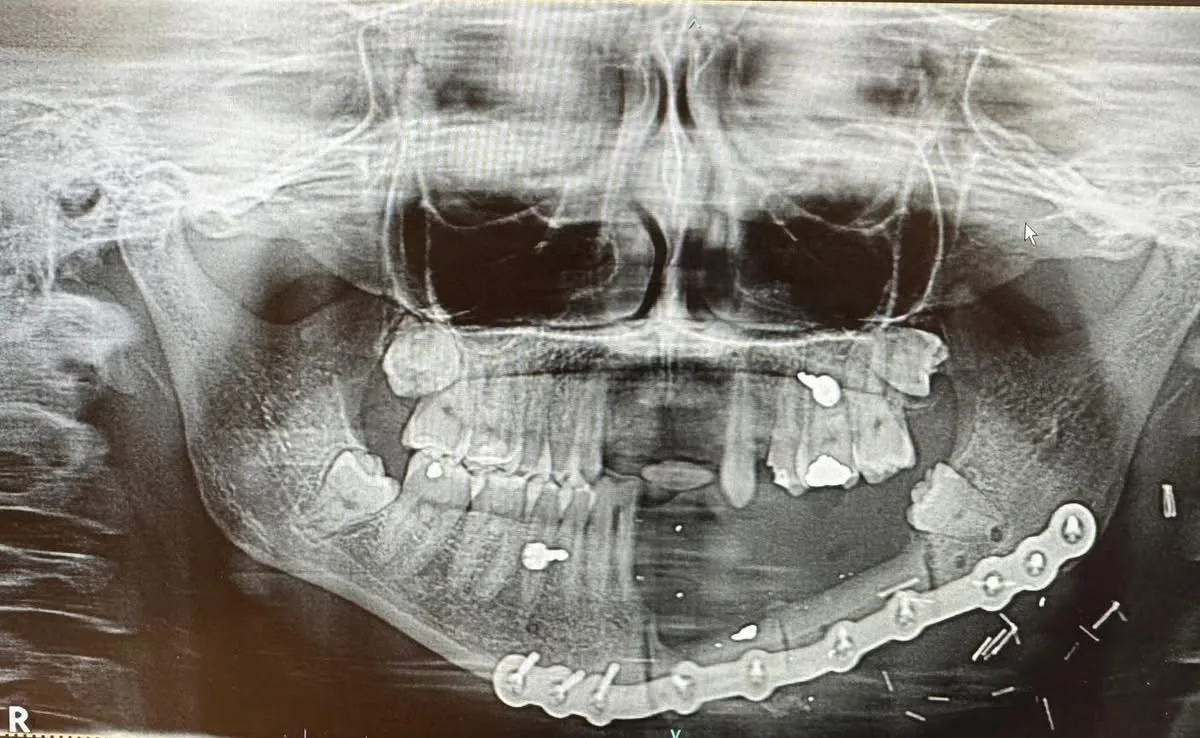
Fibula graft performed to reconstruct the mandible, but occlusion and alignment were not adequately addressed
Postoperative complications included secondary infection and an anterolateral thigh (LAT) flap for coverage of exposed hardware
Current Presentation (Educational Focus):**
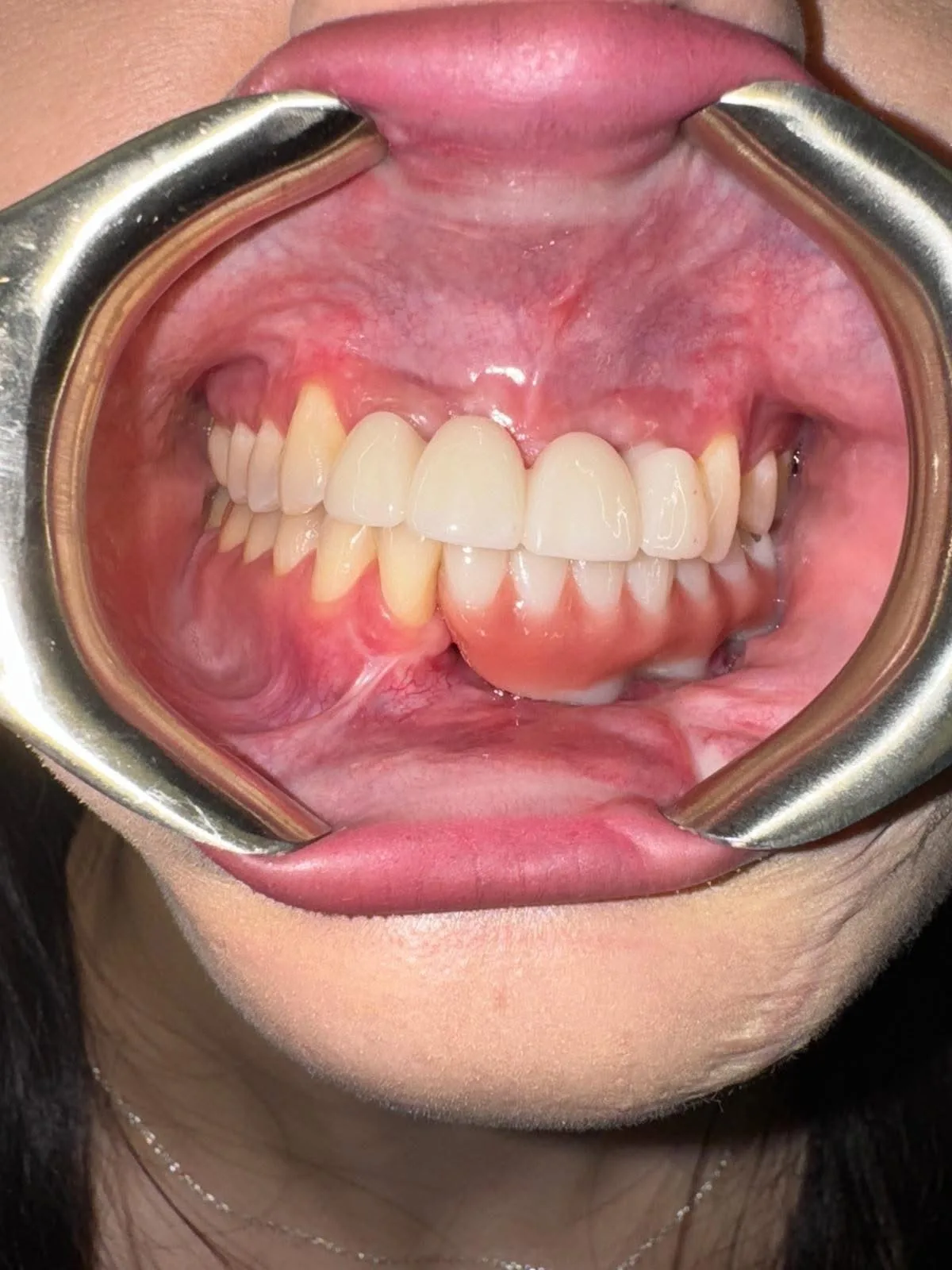
On exam, the patient has an over-contoured fibula graft crossing the left mandible
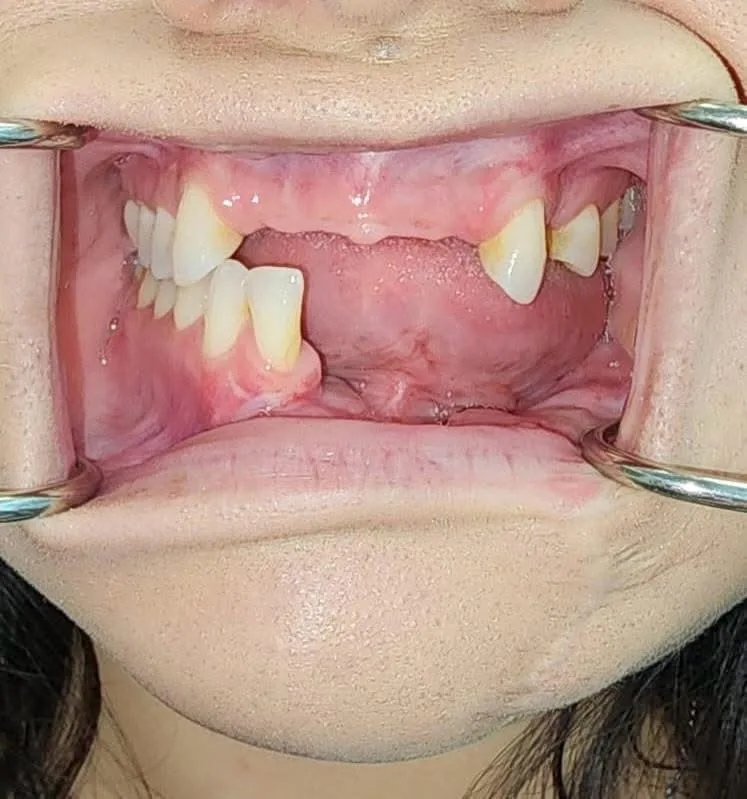
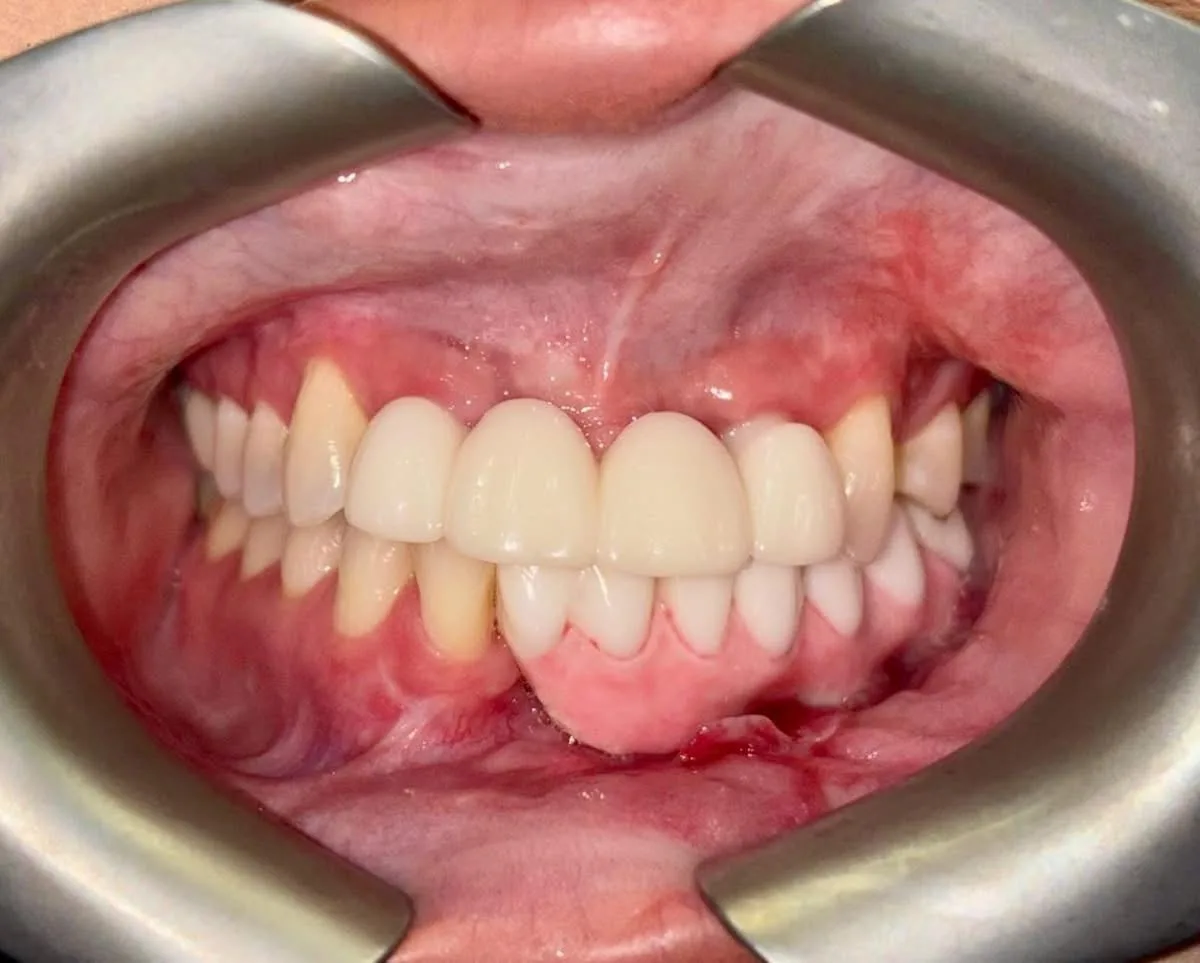
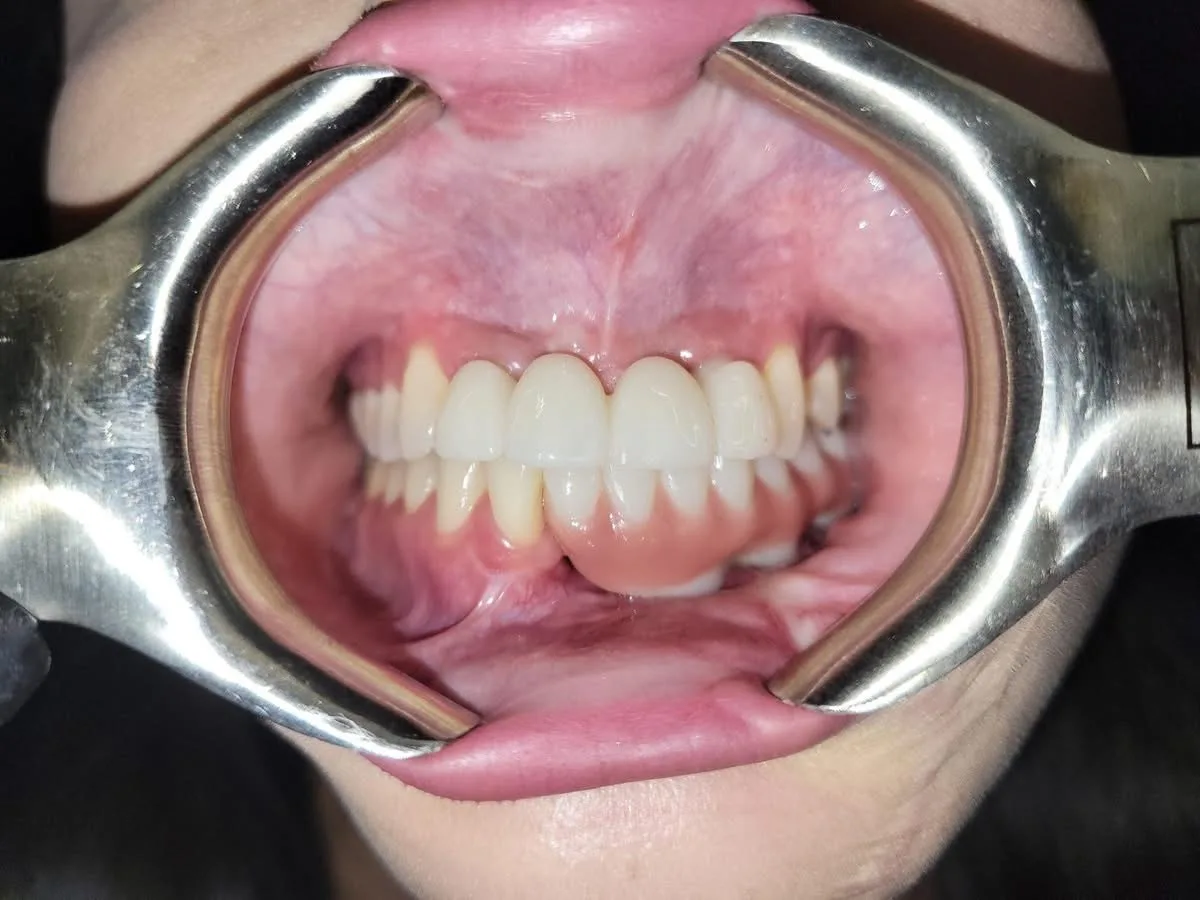
Severe deficiency of intraoral keratinized mucosa (buccal and lingual) due to blast injury and sequential infections
Minimal remaining intraoral dentition and keratinized tissue
Significant facial scarring with bulky LAT flap on the left cheek
Inability to smile due to lack of teeth and malocclusion
Educational Points
Occlusion-Centric Reconstruction Is Imperative
In severe midface and mandible trauma, achieving proper occlusion is as critical as bony reconstruction.
Even seemingly “simple” grafts (e.g., fibula free flap) require meticulous planning to align occlusal plane, dental arch form, and posterior/anterior stops to restore function.
Preoperative Planning and Multidisciplinary Coordination
Early involvement of dental/oral rehabilitation, maxillofacial prosthodontics, periodontics, and complex craniomaxillofacial surgeons can influence long-term functional outcomes.
Comprehensive assessment of dentition, keratinized mucosa, alveolar bone stock, and occlusal relationships is essential before definitive reconstruction.
Soft Tissue Deficits and Mucosal Reconstruction
Extensive loss of keratinized mucosa presents ongoing functional and prosthetic challenges (speech, swallowing, hygiene, denture stabilization if dentition is possible).
Reconstructive strategies may include soft tissue grafts, local/regional flaps, or staged approaches to optimize mucosal health for future dental rehabilitation.
Infection Risk and Hardware Management
Early placement of plates and hardware in a contaminated field increases risk for infection and exposure; staged reconstruction with robust infection control is critical.
When infection occurs, timely debridement, soft-tissue coverage, and optimization of nutrition and immune status are vital.
Functional and Psychosocial Considerations
Patients with massive facial trauma may experience profound impact on quality of life, self-image, and social functioning.
Comprehensive care should incorporate rehabilitation goals, psychosocial support, and realistic expectation management.
Outcome Realities and Hopeful Pathways
Even with intellectual recognition of limitations, opportunities exist for meaningful functional restoration through:
Dentition restoration strategies (implant-supported prostheses, when feasible)
Guided osseous reconstruction with attention to occlusion
Soft tissue restoration and scar maturation
Rehabilitative therapies (speech, swallow, facial expression)
Closing Remarks
This educational case underscores the critical need for early, multidisciplinary teamwork in complex maxillofacial trauma to optimize occlusion, dentition, and soft-tissue integrity. It highlights the potential for secondary procedures to improve function and aesthetics, even when initial reconstructions fall short of ideal alignment. The reflections herein aim to inform future practice, guide multidisciplinary collaboration, and support patient-centered, realistic planning for severely injured patients.
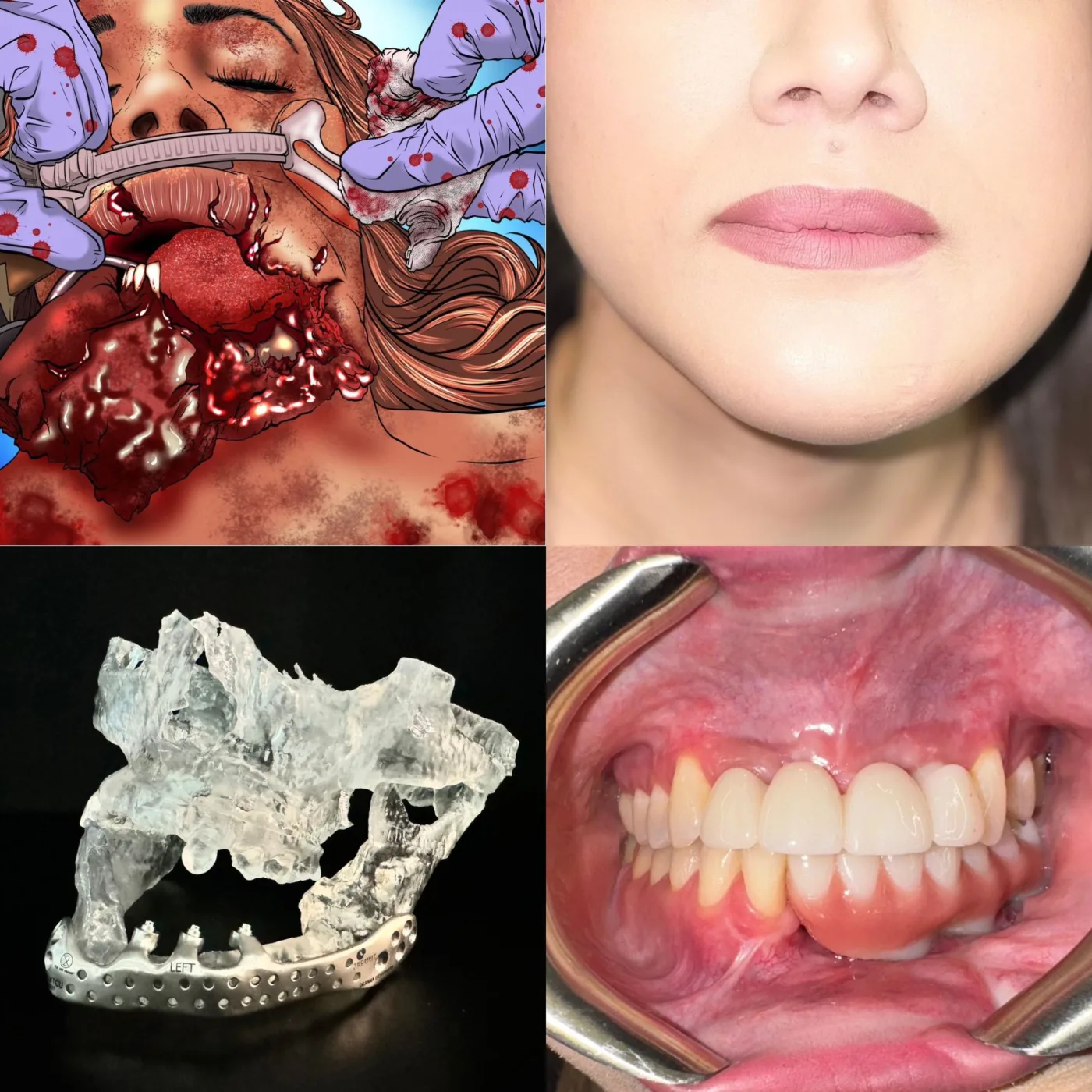
No one should go without teeth. Even victims of massive facial trauma can now be reconstructed and get fixed teeth.

Vishtasb Broumand Very well said. It’s encouraging to see how modern reconstructive dentistry can truly change lives. Appreciate you sharing this work with the Smile Feed community.