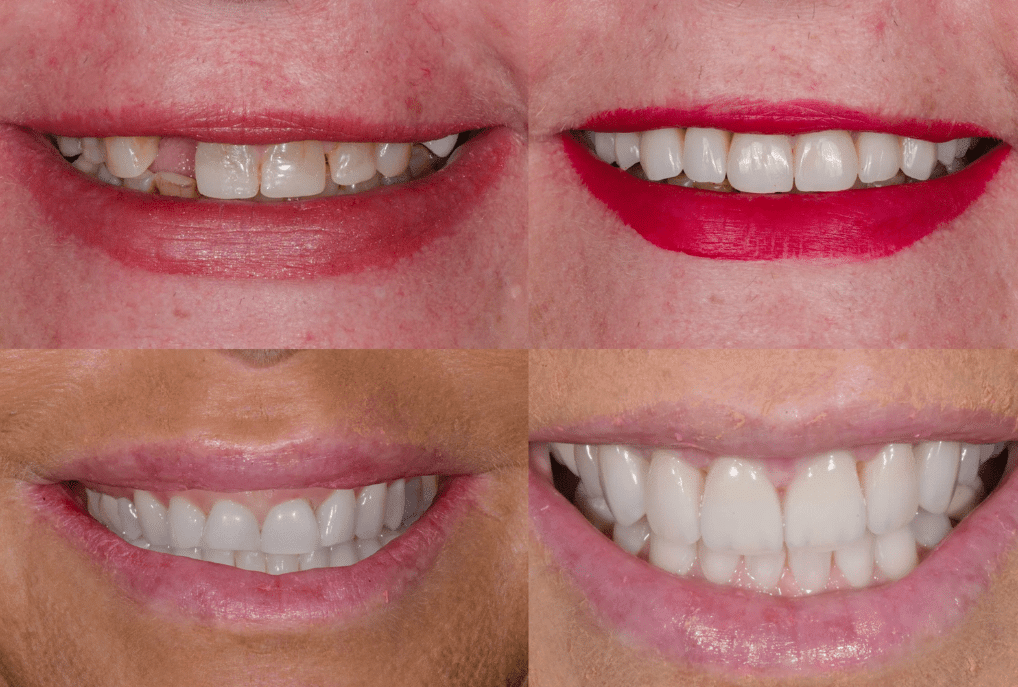
Porcelain veneers and composite veneers both promise a brighter smile, but their differences can shape your choice more than you realize. Knowing what sets them apart—from durability to appearance—helps you pick the option that fits your goals. This guide breaks down porcelain veneers vs composite with clear, real before-and-after cases from the Smile Feed so you can see results and connect with dentists who deliver smiles like yours. Explore more about veneer materials and options.
Porcelain vs Composite Veneers: Key Differences
Understanding the differences between porcelain and composite veneers is crucial in making the best choice for your smile. Let’s look at the main aspects that set them apart.
Look and Feel of Veneers
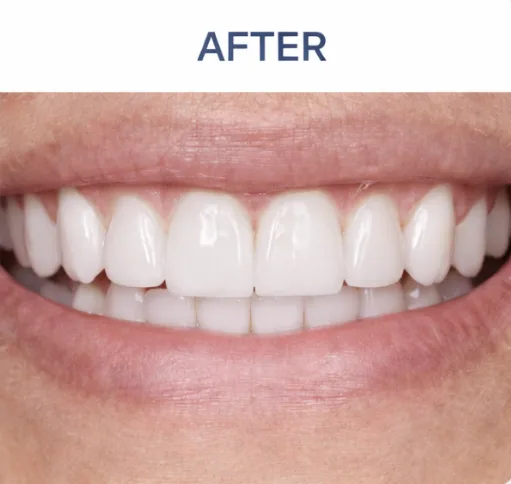
When choosing veneers, appearance is key. Porcelain veneers offer a natural look and mimic the light-reflecting properties of real teeth. They are ideal for those seeking a flawless and natural-looking smile. Composite veneers, on the other hand, are crafted from a resin material. While they can be polished for a lifelike finish, they may not match the translucency of porcelain.
Porcelain gives you a bright, natural smile that is hard to distinguish from your real teeth. Composite veneers are often chosen for their affordability and the fact that they can be shaped directly onto the teeth. This direct application allows for minor adjustments, making them a versatile choice for quick improvements.
Durability and Maintenance
Durability plays a significant role in how long veneers last. Porcelain veneers are renowned for their strength and can last 10 to 15 years with proper care. They are more resistant to chips and cracks compared to composite veneers. Conversely, composite veneers may need replacement every 5 to 7 years as they are more prone to wear and tear.
Maintenance for both types involves regular dental hygiene. However, porcelain requires less upkeep due to its sturdier nature. With composite, you might need more frequent touch-ups or repairs, especially if you’re prone to grinding your teeth or have a high-sugar diet.
Stain Resistance Veneers Explained
Stains are a common concern for anyone considering veneers. Porcelain veneers resist stains better than natural teeth. Their non-porous surface makes them a great option for coffee or wine lovers who want to keep their smile bright. Composite veneers, while less expensive, are more susceptible to stains over time.
If you want enduring whiteness, porcelain might be your best bet. Composite veneers may require more maintenance to keep their bright appearance, especially if your diet includes staining foods and drinks.
Treatment Considerations and Timelines
Choosing the right veneers also means understanding the treatment process. Here’s what you need to know about preparation and timelines.
Tooth Preparation Essentials
Preparation for veneers typically involves removing a thin layer of enamel. For porcelain, this step is essential to ensure a snug fit. Composite veneers often require less preparation, preserving more of your natural tooth structure.
This process helps create a seamless fit, making your veneers look and feel like your natural teeth. If you’re concerned about tooth preservation, composite might appeal due to its minimal prep requirements.
Repair and Longevity Insights
When it comes to repairs, porcelain veneers are durable but can be complex to fix if damaged. Composite veneers, however, are easier to repair, often needing only a quick reshaping or reapplication.
This ease of repair makes composite veneers a practical choice if you anticipate potential damage. For a long-lasting, sturdy option, porcelain is unparalleled but requires careful handling to avoid damage.
Smile Makeover Veneers Timelines
The timeline for a smile makeover varies with each type of veneer. Porcelain typically involves two to three appointments over several weeks, allowing time for custom crafting in a lab. Composite veneers can often be completed in just one visit, as they are directly applied and shaped.
The quicker turnaround for composite appeals to many, but the custom creation for porcelain ensures tailored fit and aesthetics. Consider your schedule and needs when deciding which timeline suits you best.
Choosing the Right Veneers for You
Deciding between porcelain and composite veneers can be simplified by focusing on your personal needs and the results you desire.
Natural-Looking Veneers: How to Choose
To achieve a natural look, porcelain veneers are often preferred for their lifelike appearance and durability. If budget constraints or quicker results are your main concerns, composite veneers are a viable option.
Think about what matters most: is it the longevity and flawless look of porcelain, or the affordability and speed of composite? Understanding these priorities helps narrow down your choice.
Veneers Before and After: Real Results
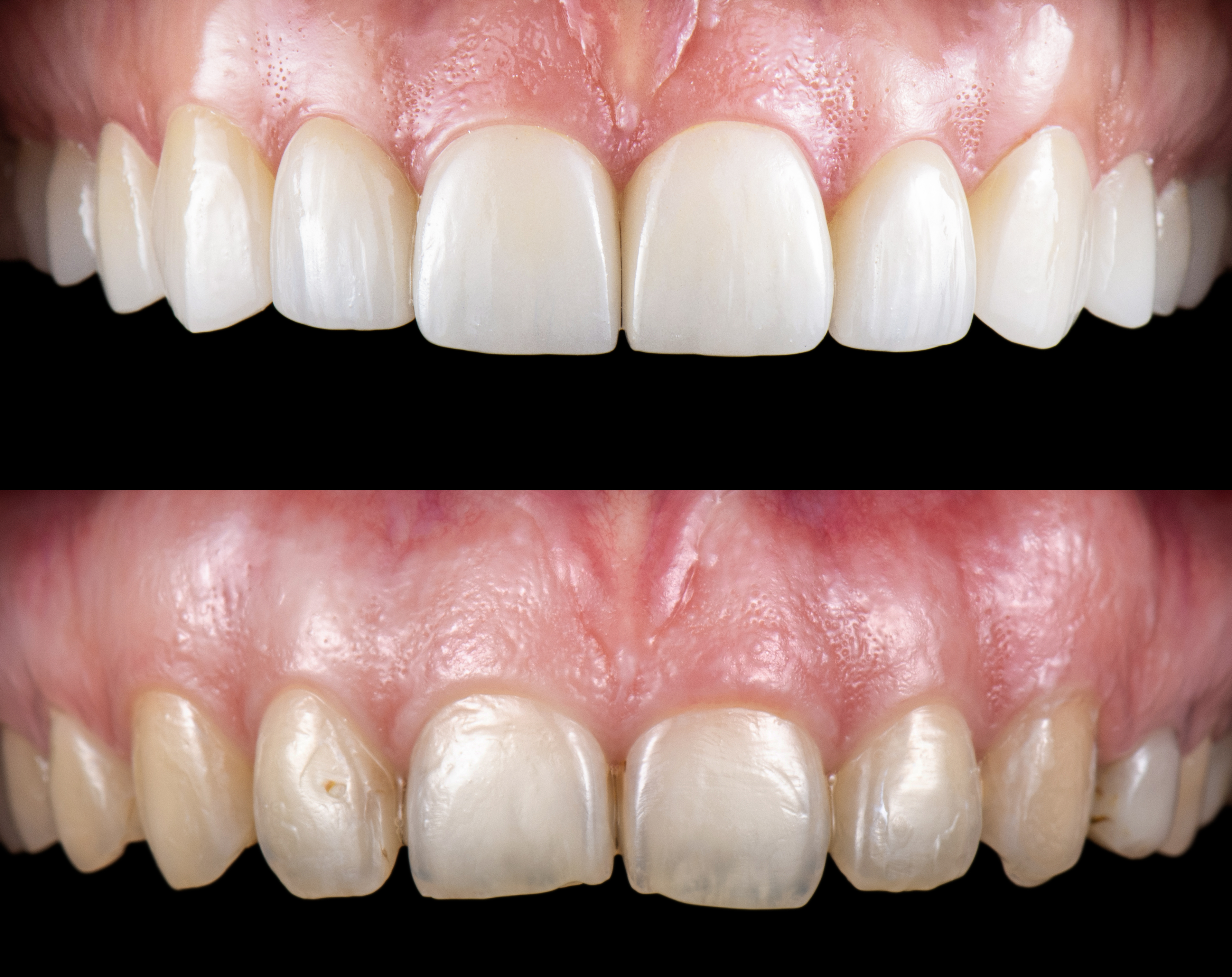
Seeing is believing when it comes to veneers. Real before-and-after transformations can guide your decision. Smile Feed offers examples, showing you what’s possible with both porcelain and composite options.
These visual comparisons help set realistic expectations and inspire confidence in your choice. Seeing actual results provides assurance and helps you envision your own potential smile transformation.
Connect with Dentists via Smile Feed 🌟
Once you’ve decided on the type of veneers, connecting with the right dentist is the next step. Smile Feed bridges this gap by helping you find professionals who deliver the results you desire.
Explore the platform to see real cases and establish direct connections with dentists ready to bring your vision to life. Empower yourself with the confidence that comes from choosing proven experts tailored to your goals.
Frequently Asked Questions
How long do porcelain veneers last?
Porcelain veneers typically last 10 to 15 years with proper care. Their durability surpasses that of composite veneers, making them a long-term investment in your smile.
Can veneers stain over time?
Porcelain veneers are highly resistant to stains due to their non-porous nature. Composite veneers, however, can stain more easily over time, especially if exposed to coffee, wine, or tobacco.
What is the process for getting veneers?
The process for porcelain veneers involves several appointments, including initial consultation, tooth preparation, and final fitting. Composite veneers can often be completed in one visit, as they are applied directly to the teeth.
Are veneers reversible?
Porcelain veneers are not reversible due to the enamel removal required for fitting. Composite veneers involve less preparation and may be more easily adjusted or removed, but reversal is rare.
Which type of veneer is better for a natural look?
Porcelain veneers are generally considered the best option for a natural look due to their translucency and ability to mimic the light-reflecting properties of natural teeth.