Dental Practice Real Estate: What to Know Before You Lease or Buy
Choosing where to lease or buy your dental practice office shapes more than your workspace—it sets the stage for your growth. The decision hinges on factors like location strategy, build-out feasibility, and compliance with dental zoning and permitting. This guide breaks down what to watch for in dental practice real estate, helping you evaluate lease vs buy options with confidence. Let’s walk through the essentials that prepare you to make smart choices for your practice’s future. For more insights, you can check this resource.
Key Considerations for Dental Real Estate
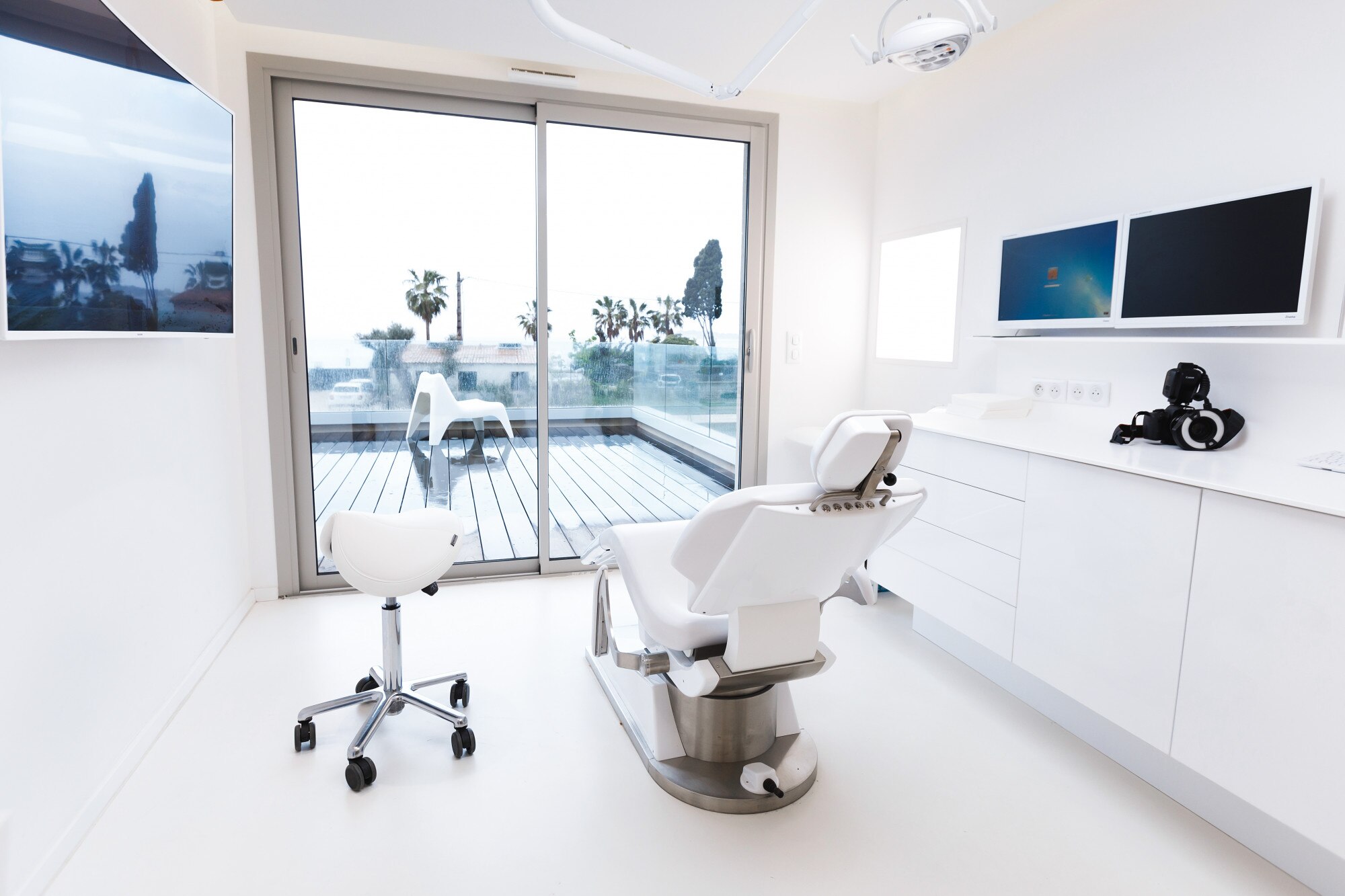
Starting your journey in dental real estate requires a clear understanding of several key factors. Let’s explore these aspects to ensure you’re well-equipped for this venture.
Lease vs Buy Decisions
Choosing between leasing or buying your dental office is crucial. Each option has its pros and cons, and making the right decision can impact your business long-term. Leasing offers flexibility and lower upfront costs, which is ideal for new practices. It allows you to allocate more resources toward growing your patient base and services. On the other hand, buying your office can be a valuable long-term investment. It gives you more control over your space and potential property value appreciation.
Consider your financial situation and business goals before deciding. If you’re leaning toward leasing, study the lease terms carefully. Understand the implications of rent increases and ensure the lease duration aligns with your growth plans. For more guidance, explore this detailed analysis on leasing versus buying for dental practices.
Location Strategy Essentials
The location of your dental practice can make or break your business. A great location attracts patients, increases foot traffic, and enhances your practice’s visibility. When scouting locations, consider the demographics of the area. Proximity to schools, shopping centers, and public transportation can draw more patients. Prioritize areas with a high population density and minimal competition.
It’s also wise to conduct a demographic analysis to understand the community’s needs. Knowing the age distribution and average income levels can guide your service offerings. A well-chosen location aligns with your target market and positions your practice for success. To dive deeper into location strategies, check out this comprehensive guide.
Infrastructure and Build-Out Feasibility
Creating a functional and inviting dental office requires careful planning. Infrastructure and build-out feasibility should be assessed early in your decision-making process. Determine whether the existing infrastructure supports your dental practice needs. Evaluate aspects such as room configurations, plumbing, and electrical systems.
A flexible layout allows you to modify the space as your practice evolves. Consider future growth when planning the layout, ensuring it can accommodate additional chairs or treatment rooms. Collaborate with architects and contractors who specialize in dental office design. Their expertise can help you optimize the space for efficiency and patient comfort. For insights on build-out considerations, this article provides valuable information.
Navigating Compliance and Utilities

With location and infrastructure in mind, let’s navigate the compliance and utility challenges to ensure your practice operates smoothly and legally.
Zoning and Permitting Challenges
Understanding zoning regulations and obtaining the necessary permits can be a complex process. Before committing to a location, verify that the property is zoned for dental use. Check with local authorities to ensure compliance with zoning laws. Failure to comply can result in significant delays and additional costs.
Permitting involves securing approvals for construction and renovations. Be prepared for the paperwork and time required to obtain permits. Engage with experts who are familiar with your area’s regulations. Their guidance can streamline the process and help you avoid common pitfalls. For a detailed overview of zoning and permitting, visit this resource.
Plumbing and Electrical Needs
A dental practice requires specialized plumbing and electrical systems to support equipment and patient care. Evaluate the existing systems to determine if they can handle the demands of your practice. Plumbing should accommodate operatory sinks, sterilization equipment, and potential future expansions.
Electrical systems need to support high-demand equipment like dental chairs, imaging machines, and IT infrastructure. Ensure the electrical wiring and outlets meet these needs. Collaborating with contractors experienced in dental office setups can prevent costly modifications later. For more on these requirements, this guide provides useful insights.
HVAC and Suction Requirements
Maintaining a comfortable and functional environment involves more than just temperature control. HVAC systems should provide adequate ventilation and air quality for patients and staff. Proper airflow minimizes odors and ensures a pleasant experience for everyone.
Dental practices also require efficient suction systems for patient procedures. Ensure the system meets your practice’s demands, especially if you plan to expand services. Regular maintenance of HVAC and suction systems prevents downtime and maintains operational efficiency. For further reading on HVAC and suction requirements, this article is helpful.
Project Timelines and Team Selection

The next step in your journey is managing timelines and assembling the right team to bring your vision to life. Let’s explore how to do that effectively.
Choosing the Right Team
Building your dream dental practice requires a team of experts. Choose professionals with experience in dental office projects. This includes architects, contractors, and designers who understand the unique needs of dental facilities. Their expertise can save you time and money while ensuring your office meets industry standards.
Don’t rush the selection process. Meet with potential team members and discuss your vision and goals. Evaluate their previous projects and seek recommendations from other dental professionals. A capable team can transform your vision into reality, creating a space that aligns with your practice’s growth trajectory.
Managing Project Timelines
Staying on schedule is critical for opening your practice on time. Establish a realistic timeline that accounts for all phases of the project, from planning to construction and final inspections. Regularly communicate with your team to address any issues that might cause delays. Set milestones and track progress to ensure everything stays on course.
Flexibility is key, as unforeseen challenges may arise. Being prepared to adapt and problem-solve will keep your project moving forward. For more on managing timelines, you can refer to this resource.
Engaging with Vetted Brokers and Contractors
Working with experienced brokers and contractors can simplify the process of acquiring your dental office space. A good broker understands the local market and can help identify properties that match your criteria. They can negotiate lease or purchase terms in your favor, ensuring the best deal possible.
Similarly, partnering with reliable contractors ensures your office is built to specification. Look for professionals with a track record of successful dental projects. Their expertise can streamline construction and reduce the risk of costly errors. To learn more about finding the right brokers and contractors, visit this guide.
In summary, choosing the right location and setup for your dental practice involves careful consideration and planning. By navigating these key factors with confidence, you set the stage for a thriving dental practice that meets the needs of your patients and supports your business goals.