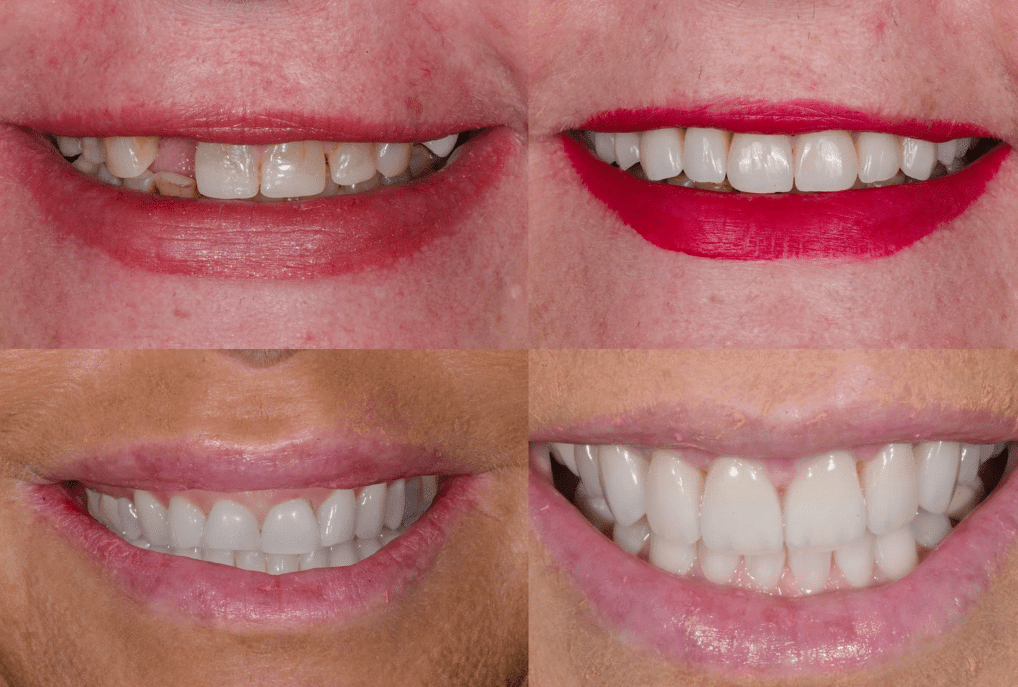
Veneers cost can feel like a mystery when you’re just starting to explore your smile makeover options. What affects veneers cost isn’t just the material—things like the number of veneers needed, the preparation process, and extra treatments all play a role. We’ll break down these key factors clearly so you can plan with confidence and avoid surprises. Plus, you’ll learn how to explore real before-and-after veneers on the Smile Feed and connect directly with dentists who match your goals.
Factors Influencing Veneers Cost
Understanding what drives the cost of veneers is crucial for planning your smile makeover. Let’s examine the main factors that affect pricing.
Material: Porcelain vs Composite Veneers
The type of material you choose significantly influences the cost of veneers. Porcelain veneers are often more expensive because they are durable and mimic natural teeth better. They can last over 10 years with proper care, making them a lasting investment in your smile. On the other hand, composite veneers are generally more affordable but may require more maintenance over time. They are typically applied more quickly, often in a single visit, but may not last as long as porcelain options.
When deciding between porcelain and composite, you’ll want to consider your budget and how long you want your new smile to last. Porcelain offers a natural look and durability, while composite is budget-friendly and easier to replace if needed.
Number of Veneers Needed
The number of veneers you need will directly impact the total cost. Some people opt for just a few veneers to cover specific problem areas, while others choose a full set to completely transform their smile. The more veneers you require, the higher the overall cost will be. It’s important to discuss your goals with your dentist to decide how many veneers will give you the best results.
Consider starting with a few key teeth and expanding later if necessary. This approach can be more manageable financially while still achieving noticeable improvements in your smile.
Complexity of Smile Makeover
Every smile is unique, and the complexity of your makeover will influence the cost. Some cases may involve additional treatments, such as whitening or reshaping, before veneers can be applied. More complex cases might require specialized techniques or additional appointments, adding to the overall expense.
Discussing your specific needs with your dentist will help you understand the steps involved and any extra treatments required. A clear plan can prevent unexpected costs and ensure a smoother process.
Understanding the Veneers Process
Once you know what affects veneers cost, understanding the process can help you make informed decisions. Here’s what to expect during your veneer journey.
Veneer Prep vs No-Prep
Traditional veneers usually require some tooth preparation, which involves removing a small amount of enamel to accommodate the veneer. This step ensures a proper fit and natural appearance. However, no-prep veneers are available for those who prefer to avoid enamel removal. These require less prep work and are often reversible, but they may not be suitable for everyone.
Your dentist will evaluate your teeth to determine the best option for you. No-prep veneers might be ideal for minor corrections, while traditional veneers are often needed for more significant changes.
Invisalign vs Veneers for Alignment
If you’re considering veneers to correct alignment, you might also wonder about Invisalign as an alternative. Invisalign uses clear aligners to gradually shift teeth into place, offering a non-invasive way to achieve straight teeth. However, it requires more time compared to veneers.
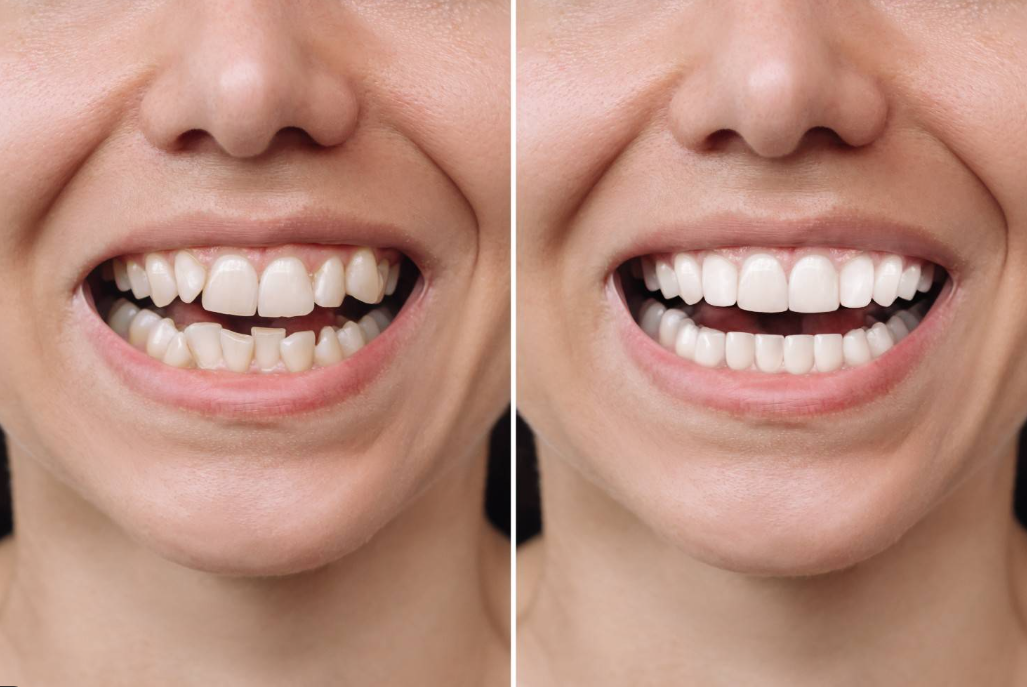
Veneers can instantly disguise minor alignment issues, providing a faster solution. Discussing both options with your dentist will help you decide which approach is best suited for your needs and timeline.
Veneer Maintenance and Longevity
Proper maintenance can extend the life of your veneers. Regular dental check-ups, good oral hygiene, and avoiding habits like chewing on hard objects will help preserve their appearance. Porcelain veneers are known for their longevity, often lasting over a decade, while composite veneers may need more frequent replacement.
Investing time in maintenance will ensure your veneers remain as beautiful as the day they were applied. Your dentist can provide personalized tips to keep your smile in top shape.
Connecting with the Right Dentist

Finding the right dentist is a crucial step in your veneer journey. Here’s how to connect with a professional who can help you achieve your dream smile.
Explore the Smile Feed for Real Results
The Smile Feed is an excellent resource to see real before-and-after results of veneers. Browsing through these cases can give you a better idea of what to expect and help you find a dentist whose work resonates with your vision.
Seeing actual transformations can boost your confidence and guide you in choosing a dentist who aligns with your goals.
How to Find a Cosmetic Dentist Near Me
Finding a qualified cosmetic dentist involves more than just searching “find a cosmetic dentist near me.” Look for someone with experience in veneers and a portfolio of successful cases. Reviews and recommendations from other patients can also be valuable.
Taking the time to research and select the right dentist will ensure you receive the best care and results possible.
Building a Personalized Treatment Plan
A personalized treatment plan will outline the steps needed for your smile makeover, including any additional treatments and a timeline. This plan will help you understand each phase and keep you on track financially and logistically.
Working closely with your dentist to develop this plan will provide clarity and confidence as you move forward with your veneer journey.
Frequently Asked Questions
How long do veneers last?
Porcelain veneers can last over 10 years with proper care, while composite veneers typically last 5-7 years. Regular dental visits and good oral hygiene are essential for longevity.
Are veneers permanent?
Traditional veneers require enamel removal, making them a long-term commitment. No-prep veneers are less invasive and may be reversible, but not everyone is a candidate for this option.
Can veneers fix crooked teeth?
Veneers can disguise minor alignment issues, providing an immediate cosmetic solution. For significant alignment concerns, Invisalign might be a more suitable option.
What’s the difference between porcelain and composite veneers?
Porcelain veneers are more durable and mimic natural teeth better, while composite veneers are more affordable and quicker to apply. Both have different lifespan and maintenance needs.
How can I ensure the best results with veneers?
Choose an experienced dentist, follow a personalized treatment plan, and maintain good oral hygiene. Regular dental check-ups will also help in maintaining your veneers.
By understanding the factors affecting veneers cost and the process involved, you can plan your smile makeover with confidence and achieve the results you desire.