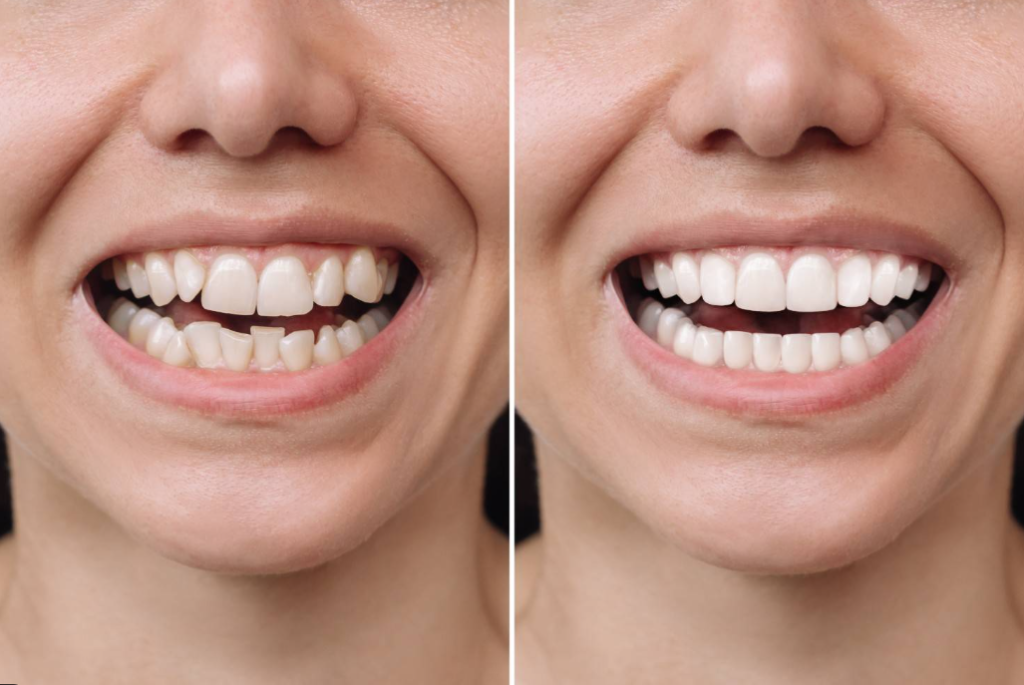
Veneers can change your smile, but how long will they really last? Understanding the typical veneer lifespan and what affects their durability helps you care for them right and know when to consider replacements. We’ll walk you through simple maintenance tips and how to explore real veneer results on DRN, so you can choose a dentist with confidence and see what’s possible for your smile. For a deeper dive, check out this Healthline article on how long veneers last.
Continue reading about Veneers Before and After: Read Real Results and Choose With Confidence to discover verified case studies that showcase potential transformations. If you’re curious about current trends in natural-looking veneers, explore our guide on Natural, Confident Smiles. For those planning financially, our in-depth analysis on Veneers Cost Explained provides insights on what factors into the pricing and how to plan with assurance.
Make informed decisions by visiting these resources and enrich your understanding of veneers.
Veneers Lifespan and Durability
Understanding the lifespan of veneers is vital to making informed decisions about your dental care. Let’s explore their longevity and what factors play a role in their durability.
How Long Do Veneers Last?
Veneers generally last between 10 to 15 years with proper care. Their lifespan can vary based on the type of veneer and how well you maintain them. Regular dental check-ups and good oral hygiene are key factors that contribute to their longevity. It’s essential to follow your dentist’s care instructions to ensure veneers last as long as possible.
Porcelain vs Composite Veneers Longevity
Porcelain veneers typically last longer than composite ones. Porcelain can endure up to 15 years, while composite veneers often last around 5 to 7 years. The difference lies in the materials: porcelain is more durable and resistant to stains. While composite veneers are more affordable, they require more frequent replacements. Consider your lifestyle and budget when choosing between the two types.
Factors Affecting Veneers Durability
Several factors can impact how long your veneers will last. Your eating habits, oral hygiene, and lifestyle choices all play a role. For instance, biting hard objects or poor dental care can shorten their lifespan. Avoiding staining foods and drinks can help maintain their appearance. Regular dental visits are crucial to monitor their condition and address any issues promptly.
Veneers Maintenance and Care
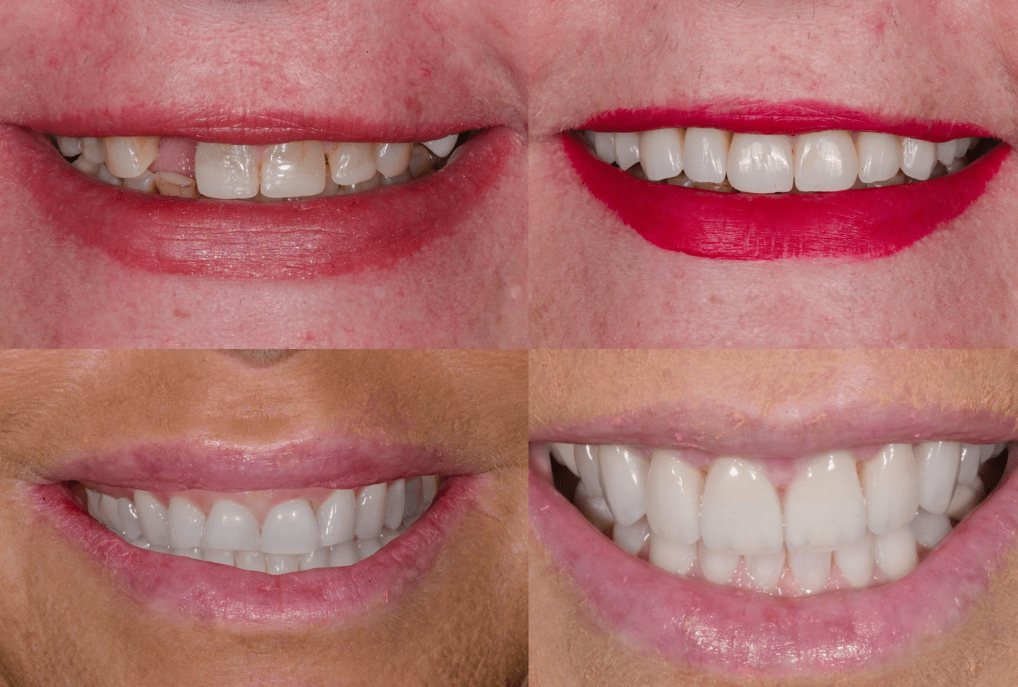
Taking care of your veneers ensures their durability and keeps your smile looking great. Let’s delve into some care tips and routines to follow.
Essential Veneers Care Routine
A consistent care routine includes brushing twice daily with a non-abrasive toothpaste and flossing regularly. This helps prevent plaque buildup, which can damage veneers. Using a soft-bristle toothbrush will prevent scratches on their surface. A mouthguard is advisable if you grind your teeth at night, as this can prevent unnecessary damage.
Veneers Aftercare Tips
After getting veneers, it’s crucial to avoid hard foods and beverages that can stain them. While veneers are stain-resistant, they are not stain-proof. Regular dental cleanings help maintain their shine and health. Avoiding tobacco products can also prevent discoloration. Consulting with your dentist about products safe for veneers is recommended.
Preventing Veneer Chip or Crack
Veneers are delicate, so taking precautions can prevent chips or cracks. Avoid biting hard objects like ice or pens. If you partake in contact sports, wearing a mouthguard is wise. Address any bite issues, as they can exert undue pressure on veneers, causing them to crack. Immediate dental attention is necessary if your veneer suffers damage.
When to Replace Veneers
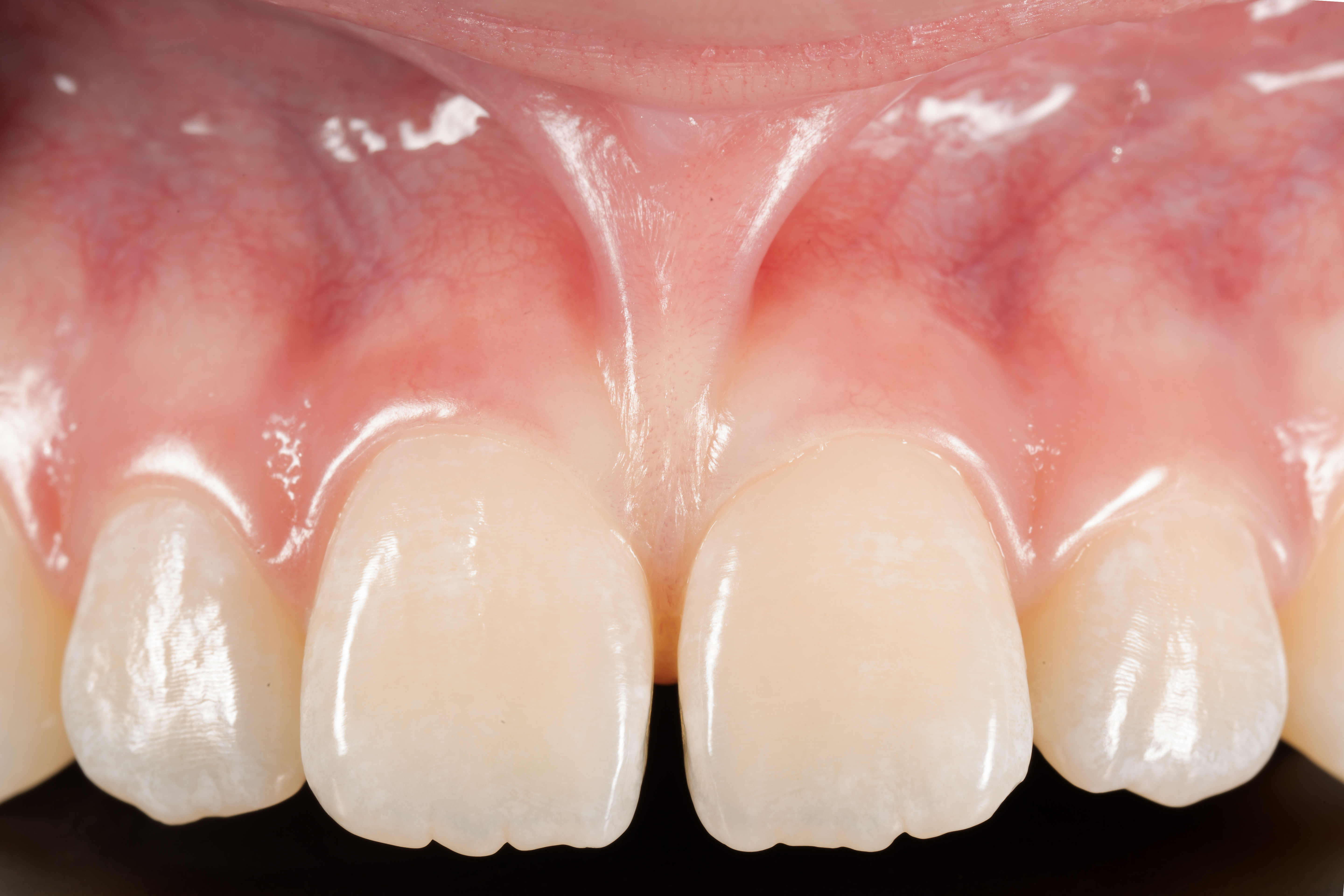
Recognizing when it’s time to replace your veneers is crucial for maintaining a healthy smile. Let’s explore the signs and options available.
Signs It’s Time to Replace Veneers
Over time, veneers may show signs of wear like chips or discoloration. If you notice these changes or feel discomfort, it might be time to consult your dentist about a replacement. Gum recession can also reveal the edges of your veneers, indicating a need for replacement. Regular dental evaluations can help catch these signs early.
Exploring Real Veneer Results
Checking out real veneer results can help set realistic expectations. The Dental Resource Network offers a platform where you can see transformations and connect with dentists. Seeing verified outcomes can give you confidence in what’s possible for your smile.
Smile Makeover Veneers Options
If you’re considering a smile makeover, veneers offer various options to enhance your appearance. From subtle enhancements to dramatic transformations, veneers can be tailored to meet your needs. Discussing your goals with a trusted dentist will help you decide the best course of action. Explore the possibilities for achieving your dream smile.
Frequently Asked Questions
How long do veneers typically last?
Veneers generally last between 10 to 15 years with proper care. Regular dental visits and good oral hygiene can extend their lifespan, ensuring your smile stays bright and healthy.
What is the difference in longevity between porcelain and composite veneers?
Porcelain veneers are more durable, lasting up to 15 years, while composite veneers last around 5 to 7 years. Porcelain is more resistant to stains and wear, making it a preferred choice for long-term use.
What care routine should I follow for my veneers?
Maintain a consistent routine of brushing twice daily with non-abrasive toothpaste and flossing regularly. Regular dental check-ups and cleaning help preserve the appearance and health of your veneers.
What should I do if my veneer chips or cracks?
If a veneer chips or cracks, contact your dentist immediately for an evaluation. Avoid using the affected tooth until it can be repaired to prevent further damage.
When should veneers be replaced?
Veneers should be replaced when they show signs of wear, such as chips, discoloration, or discomfort. Gum recession revealing veneer edges is also a sign that replacement is needed. Regular dental evaluations can help determine the right time for replacement.